Klara Keller · 20 September 2026
The Evolution of Editorial Workflows in Response to Search Engine Policy Shifts for Independent Sites
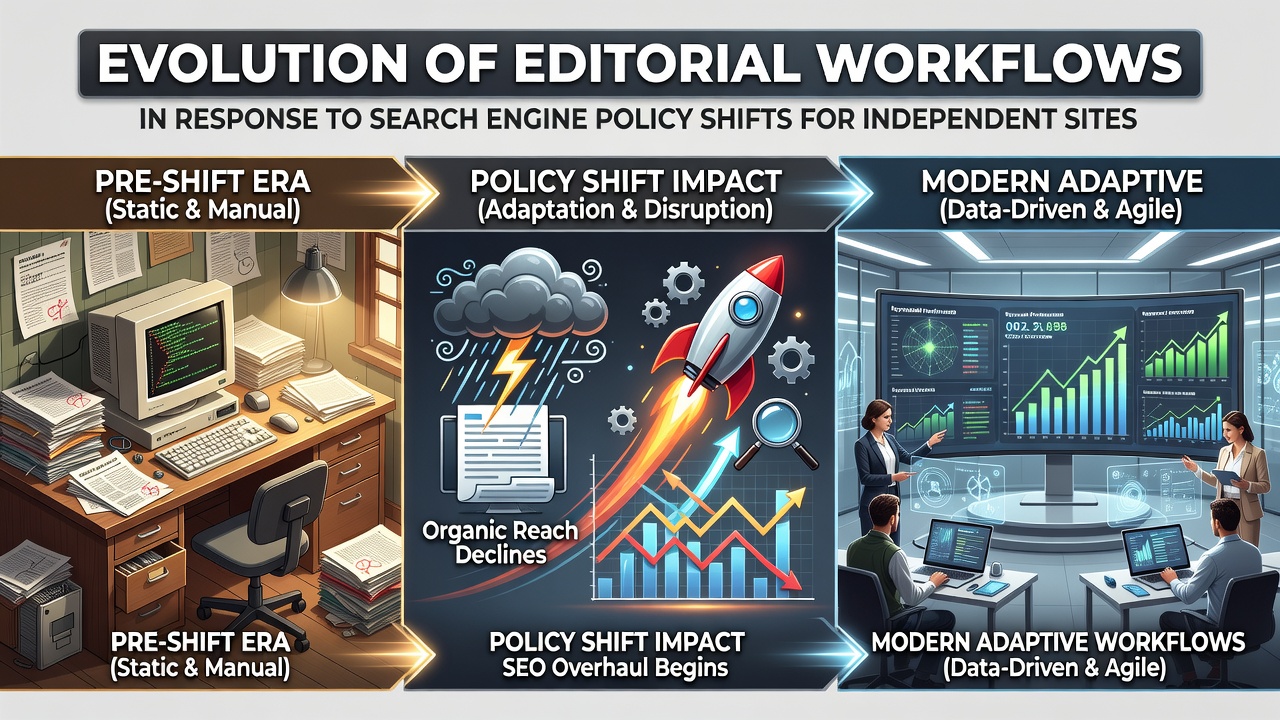
Independent sites have adjusted their editorial workflows repeatedly as search engines refined ranking systems over the past two decades, and these adjustments accelerated after core updates that emphasized experience, expertise, authoritativeness and trustworthiness signals. Data from multiple industry reports shows that smaller publishers began integrating structured review processes for every article once algorithms started prioritizing original research and clear sourcing over thin affiliate content. Observers note that teams at independent outlets now assign dedicated fact-checkers earlier in the production cycle, which reduces revision rounds later when pages face re-evaluation during broad core updates.
Early Algorithm Changes and Initial Workflow Responses
Search engine policies evolved from basic spam filters in the early 2000s to more sophisticated quality assessments by the 2010s, prompting independent publishers to move away from rapid content farming toward slower, source-heavy production methods. Research indicates that many sites introduced multi-stage editorial sign-offs after the 2011 Panda update, where low-value pages lost visibility and forced operators to audit existing archives. Teams started requiring writers to include primary data references and author credentials on every post, a practice that became standard once subsequent updates reinforced the same criteria.
Those who managed multiple niche sites often consolidated their editorial calendars around topic clusters that demonstrated genuine depth, while others outsourced specialized research tasks to subject-matter experts on a per-project basis. This shift reduced reliance on generalist freelancers and increased coordination between editors and technical staff responsible for schema markup and page speed improvements.
Impact of Recent Core Updates on Content Creation
Policy refinements announced between 2022 and 2025 further emphasized people-first content, which led independent sites to embed ongoing performance monitoring into daily editorial routines rather than treating audits as occasional events. Figures from search analytics platforms reveal that sites maintaining consistent author bios and update logs retained more traffic stability during these rollouts. Editors at smaller operations began using collaborative tools that flag potential E-E-A-T gaps before publication, allowing writers to add first-hand interviews or original datasets in the same workflow stage.
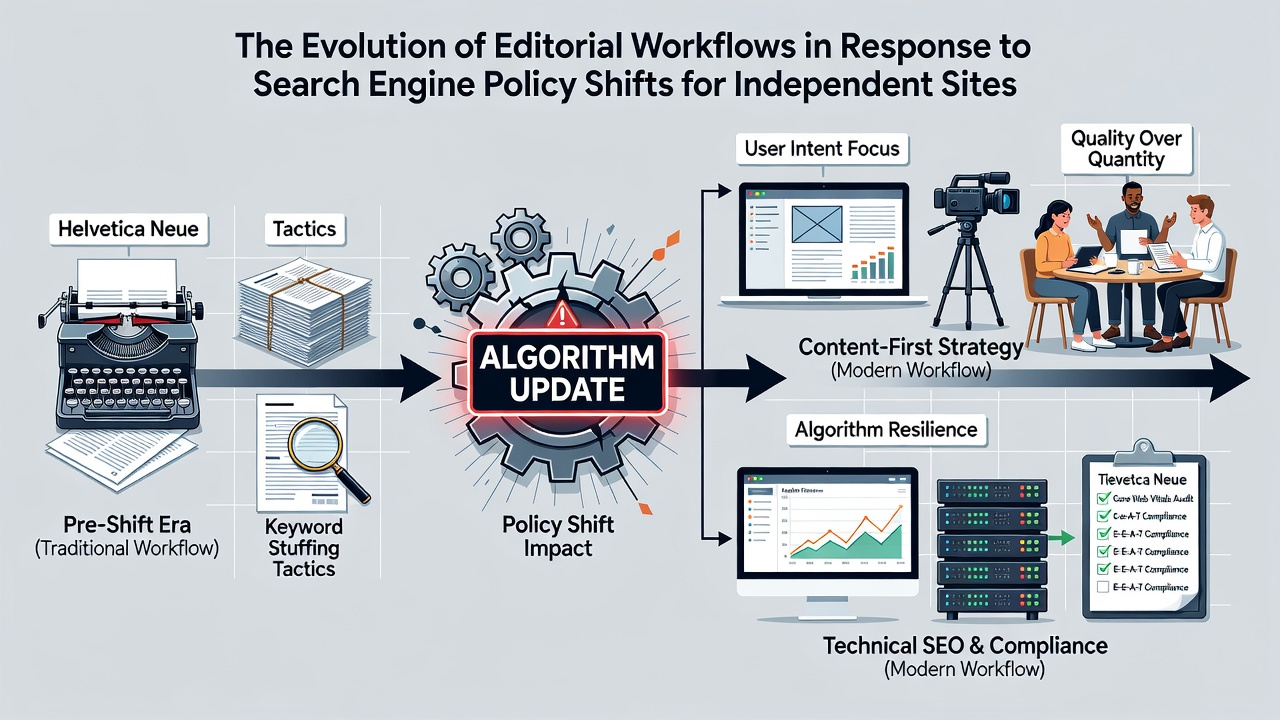
By September 2026 additional refinements to how search systems evaluate helpfulness continued to influence smaller publishers, and many responded by extending their pre-publication checklists to cover real-world testing of product recommendations or service comparisons. One study from a European research consortium documented how independent outlets in the travel and finance sectors added mandatory external expert reviews for high-stakes topics, a step that aligned with broader regulatory expectations around accurate information in digital markets.
Integration of Tools and Cross-Functional Teams
Independent publishers have incorporated AI-assisted drafting platforms into their processes while maintaining human oversight layers that verify claims against primary sources, according to reports from technology adoption surveys. This hybrid approach emerged after multiple core updates demonstrated that purely automated content frequently underperformed in rankings. Workflow diagrams shared in industry forums show editors now routing drafts through both SEO specialists and subject experts before final approval, which creates longer but more resilient production timelines.
Canadian digital economy analyses highlight that sites adopting these layered reviews experienced steadier organic visibility compared with those that maintained older high-volume publishing schedules. Teams also started documenting content decisions in shared logs that help future editors understand why certain sources or angles were chosen, a practice that supports long-term consistency when algorithms re-crawl archives.
Conclusion
Independent sites continue to refine editorial workflows in direct response to successive search engine policy adjustments, with documented changes including earlier expert involvement, structured sourcing requirements, and integrated performance tracking. These adaptations reflect measurable responses to ranking criteria that reward demonstrated experience and original value, and they remain visible across multiple geographic markets and content verticals. Ongoing monitoring of algorithm documentation from major engines will likely drive further incremental adjustments in the months ahead.